
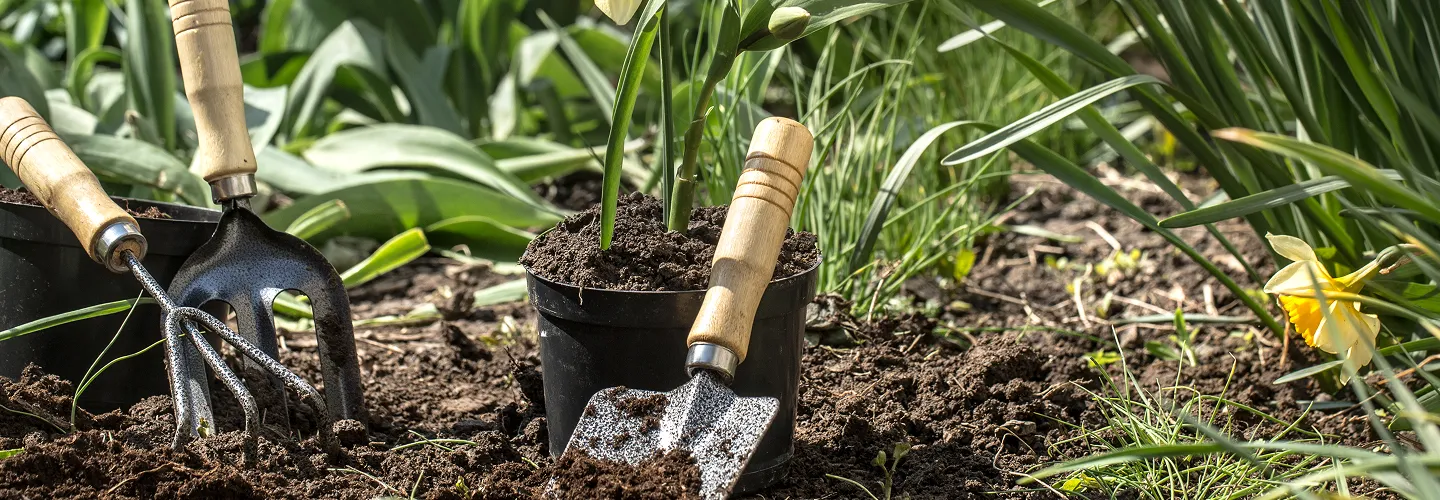
Bolingbrook Green Waste Disposal Services
Choose our Green Waste Disposal for reliable, environmentally responsible service that keeps your property clean and supports a healthier community.
Get a Free QuoteOur Bolingbrook Landscaping & Yard Care Services
When to Schedule Green Waste Disposal in Bolingbrook, IL – Seasonal Guide
In Bolingbrook, IL, the optimal times for green waste disposal are closely tied to the area’s distinct seasonal changes and local landscape features. Spring and fall are typically the busiest periods, as residents in neighborhoods like Indian Oaks and Augusta Village clear out yard debris following winter’s frost and prepare for summer growth or winter dormancy. The last frost date, usually in late April, signals the start of major yard cleanups, while autumn leaf drop in areas near the Bolingbrook Park District’s wooded parks creates another peak in green waste volume.
Local environmental factors such as periodic drought risk in the summer, high humidity levels, and the prevalence of mature shade trees—especially in established communities like Winston Woods—can influence the timing and frequency of disposal needs. Soil types in Bolingbrook range from clay-heavy in some subdivisions to loamier soils near the DuPage River, affecting how quickly organic debris breaks down. Additionally, municipal guidelines and collection schedules, which can be found on the Village of Bolingbrook Official Website, should always be reviewed before planning large disposals.
Benefits of Green Waste Disposal in Bolingbrook
Eco-Friendly Waste Management
Promotes Healthy Landscapes
Reduces Landfill Usage
Convenient Pickup Services
Supports Local Sustainability
Cost-Effective Disposal Solutions
Bolingbrook Green Waste Disposal Types

Grass Clippings
-
Leaves Collection
-
Tree Branches
-
Shrub Trimmings
-
Garden Debris
-
Weeds Removal
-
Mulch Recycling
Our Green Waste Disposal Process
Collection of Green Waste
Sorting and Separation
Transport to Disposal Facility
Eco-Friendly Processing
Why Choose Bolingbrook Landscape Services
-
Bolingbrook Homeowners Trust Us
-
Expert Lawn Maintenance
-
Reliable Seasonal Cleanup
-
Competitive Pricing
-
Professional Team
-
Satisfaction Guarantee
-
Personalized Service
Contact Bolingbrook's Department of Public Works for Seasonal Green Waste Collection & Municipal Composting Programs
Bolingbrook offers a robust seasonal green waste collection program, typically running from early April through late November, with weekly curbside pickup by neighborhood. Residents should place yard waste at the curb by 6:00 a.m. on their scheduled collection day, ensuring materials are at least three feet from storm drains and utility boxes. During peak fall leaf season, collection may be extended to accommodate increased volume. The village supports municipal composting through regional partnerships, offering finished compost to residents for use in gardens and landscaping, and occasionally hosts educational workshops on composting best practices. The Transfer Station allows organic waste drop-off during posted hours, requiring a resident permit or sticker, with volume limits and proof of residency. Specialized services include brush and branch pickup (bundles no longer than 4 feet and 50 pounds), Christmas tree collection in January, and emergency storm debris management. For more information, contact:
Bolingbrook Public Works Department
375 W. Briarcliff Road, Bolingbrook, IL 60440
Phone: (630) 226-8800
Official Website: Bolingbrook Public Works Department
Understanding Green Waste Volume & Decomposition Dynamics in Bolingbrook's Prairie Clay & Glacial Till Soils
Bolingbrook's landscape is shaped by prairie clay and glacial till soils, as identified by the USDA Web Soil Survey. These soils are often heavy, with moderate to poor drainage, slowing organic matter decomposition and requiring careful management to prevent accumulation. The village's tree canopy is dominated by oaks, maples, elms, ash, and honey locust, resulting in significant leaf and branch volume, especially in autumn. Bolingbrook's climate features a long growing season, frequent spring and summer storms, and freeze-thaw cycles that influence both green waste generation and decomposition rates. Dense vegetation and urban heat island effects can accelerate organic matter buildup, while periodic flooding and high water tables in low-lying areas present additional challenges for timely collection and processing.
Bolingbrook's Implementation of Illinois Organic Waste Management Requirements for Residents
Illinois law prohibits yard waste disposal in landfills, as outlined in the Illinois Environmental Protection Act, and mandates municipal diversion programs. Bolingbrook enforces these requirements through curbside collection, composting initiatives, and resident education. Commercial entities, including landscapers and institutions, must comply with organic waste diversion and proper disposal regulations. The village coordinates with regional composting facilities and tracks waste diversion to meet Illinois Environmental Protection Agency standards. Enforcement includes periodic inspections, warnings, and fines for non-compliance, while educational outreach helps residents understand proper sorting and preparation. Community composting projects and technical assistance are available through the village and University of Illinois Extension, supporting broader sustainability goals.
Proper Preparation & Sorting of Green Waste Materials for Bolingbrook's Collection Programs
Residents must follow specific guidelines to ensure efficient and compliant green waste collection:
- Use biodegradable paper yard waste bags or place loose leaves at the curb during designated collection periods
- Bundle branches and brush with natural twine, keeping bundles under 4 feet in length and 50 pounds in weight
- Place materials at the curb by 6:00 a.m. on collection day, away from storm drains and utility boxes
- Prevent contamination by removing plastic pots, wire, soil, rocks, and treated wood
- Prohibited materials include: treated lumber, construction debris, diseased or invasive plant materials (such as buckthorn, bush honeysuckle, multiflora rose, garlic mustard), stumps, and roots
- After severe weather, separate storm debris by type and follow emergency collection instructions from the village
For detailed preparation requirements, contact:
Bolingbrook Community Development Department
375 W. Briarcliff Road, Bolingbrook, IL 60440
Phone: (630) 226-8460
Official Website: Bolingbrook Community Development Department
Bolingbrook Environmental Compliance Guidelines for Green Waste Management Near Protected Areas
Green waste activities near Bolingbrook's streams, wetlands, and conservation areas are subject to strict environmental oversight. Buffer zones must be maintained to prevent organic material from entering sensitive habitats, and natural leaf retention is often required in conservation areas to support soil health and wildlife. Invasive species must be bagged and disposed of according to municipal and Illinois Department of Natural Resources guidelines to prevent spread. Seasonal restrictions may apply during bird nesting periods or in areas supporting rare species. Residents are encouraged to consult with the village and IDNR before conducting large-scale yard work near protected areas to ensure compliance and support biodiversity.
Protecting Bolingbrook's Water Quality Through Green Waste Management & NPDES Stormwater Compliance
Proper green waste management is essential for protecting Bolingbrook's water resources, including the East Branch DuPage River and local wetlands. The village participates in the EPA NPDES stormwater program, requiring measures to prevent organic matter from entering storm drains, which can contribute to nutrient loading, oxygen depletion, and algae blooms. Residents should avoid placing yard waste near storm inlets and follow guidelines for staging materials. Composting and mulching help reduce runoff and improve soil structure, supporting the goals of the Clean Water Act. Bolingbrook's environmental programs also promote the use of finished compost in parks, gardens, and green infrastructure projects to enhance water quality and ecosystem health.
On-Site Green Waste Management: Composting, Mulching & Sustainable Practices in Bolingbrook
Home composting is encouraged in Bolingbrook, with regulations requiring bins or piles to be set back 10-20 feet from property lines and at least 50-100 feet from wells or water supplies. Compost piles should be managed to prevent odors, pests, and runoff, and must not exceed size limits set by local ordinance. Best practices include balancing "greens" (grass clippings, vegetable scraps) and "browns" (leaves, twigs), maintaining moisture, and turning piles regularly. Prohibited materials in home composting include meat, dairy, oils, pet waste, diseased plants, and invasive species. Sustainable alternatives such as mulch-mowing, grasscycling, and brush chipping are recommended, especially for properties with limited space. For composting education and support, contact:
University of Illinois Extension
Official Website: University of Illinois Extension
What Neighborhoods Do We Serve Throughout Bolingbrook, IL?
Bolingbrook's neighborhoods each present unique green waste management needs:
- Indian Oaks: Mature oaks and maples create high fall leaf volume; large single-family lots require frequent collection; proximity to Indian Boundary Park and wetlands necessitates buffer zone compliance
- Augusta Village: Newer development with younger trees and smaller yards; lower seasonal volume but increased grass clippings; alley collection in some areas
- Old Bolingbrook: Historic homes with mature elms and ash; narrow streets and on-street parking can limit collection vehicle access; some properties adjacent to floodplains
- Riverwoods: Dense tree canopy and naturalized landscaping; adjacent to DuPage River and conservation areas, requiring careful debris management and environmental compliance
- Pinecrest: Senior community with shared green spaces; additional support for residents with mobility needs; intensive spring and fall cleanup traditions
- Bloomfield West: Mix of single-family and multi-family properties; prairie restoration areas and native plantings; storm debris vulnerability due to exposed locations
- St. Andrews Woods: Large lots with extensive landscaping; high brush and branch volume; infrastructure includes wide streets for easy collection access
Bolingbrook Municipal Ordinances for Green Waste Equipment Operation & Commercial Services
Bolingbrook regulates green waste equipment operation to minimize noise and environmental impact. Lawn and landscaping equipment may only be used during designated hours, typically 7:00 a.m. to 7:00 p.m. on weekdays and 8:00 a.m. to 6:00 p.m. on weekends. Commercial service providers must be licensed and comply with disposal regulations, including proper transport and documentation of organic waste. Residents and contractors are prohibited from placing yard waste in the public right-of-way outside of scheduled collection periods. The village enforces these ordinances through periodic inspections and fines for violations. For questions about equipment operation or commercial licensing, contact:
Bolingbrook Building Division
375 W. Briarcliff Road, Bolingbrook, IL 60440
Phone: (630) 226-8470
Official Website: Bolingbrook Building Division
By following Bolingbrook's green waste management guidelines and participating in municipal and on-site composting programs, residents contribute to a cleaner, healthier, and more sustainable community while supporting compliance with state and federal environmental regulations. For further information on environmental protection and green waste management, visit the U.S. Environmental Protection Agency, Region 5 and Illinois Environmental Protection Agency.